


Enterprise cybersecurity has moved beyond isolated technical maintenance. For founders, operations directors, and executive leadership, infrastructure security directly dictates business continuity and governance. The reported $6.3 billion Binance breach proves that modern cyber adversaries do not rely on brute-forcing cryptographic ciphers or breaking core encryption keys. Instead, they exploit administrative fragmentation—the structural visibility gaps spanning employee endpoints, DevOps containers, automated deployment pipelines, and business software.
Point solutions, disparate dashboards, and unmonitored operational layers create an asymmetric advantage for threat actors. When an organization treats device management, identity access, and internal workflows as separate operational silos, high-velocity breaches unfold undetected in the spaces between them. Mitigating these risks requires understanding the mechanics of multi-stage intrusions and deploying comprehensive managed IT security services engineered to defend every interconnected layer of the enterprise.
Anatomy of a Multichain Breach: From Endpoint to Enterprise Crisis
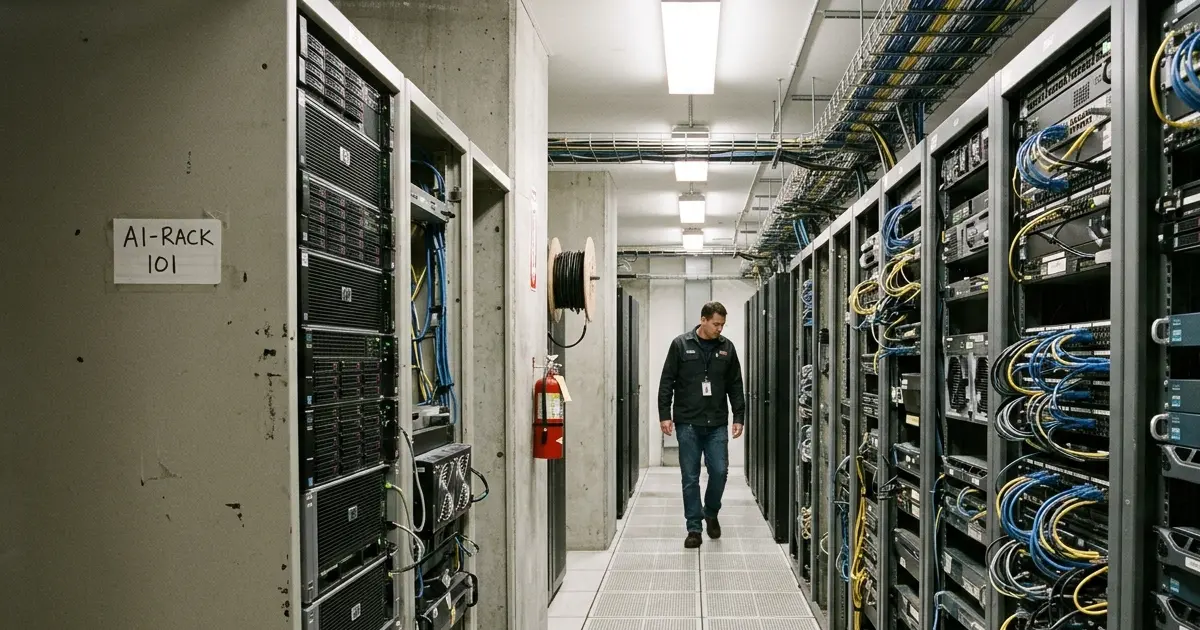
High-profile breaches are rarely the result of a single catastrophic software failure. Instead, they represent composite attacks where minor compromises cascade into critical operational failures. The attack chain observed in the Binance incident demonstrates how an adversary converts peripheral administrative access into systemic, cross-network compromise.
The Attack Chain: From Workstation to Service Container
- Initial Infiltration via the Endpoint: The breach vector did not target hardened cryptographic vaults directly. Investigators traced the initial compromise to an individual workstation—specifically, the laptop of a DevOps engineer.
- Lateral Pivot into Infrastructure: Leveraging active session tokens, configuration privileges, and cached credentials extracted from the compromised laptop, the adversary bypassed exterior perimeter defenses and moved laterally into an internal service container within the deployment pipeline.
- Execution Without Vault Theft: Binance confirmed there was no evidence that master wallet private keys were exfiltrated. The attackers did not need them. By compromising the operational environment, they abused legitimate service accounts, transactional scripts, and deployment pathways to initiate massive unauthorized withdrawals.
- Cross-Chain Asset Exfiltration: The adversary immediately dispersed stolen funds across multiple independent blockchains. This multichain distribution tactic was engineered to split transaction trails, evade single-ledger blacklisting, and overwhelm incident response teams.
The 20-Minute Operational Window
The most critical dimension of the attack was execution speed. The vast majority of the unauthorized asset transfers occurred within roughly 20 minutes.
Standard enterprise incident response processes are architected around human evaluation: an anomaly alert flags a monitoring queue, a tier-one analyst reviews the context within an hour, and an escalation ticket routes to senior engineering by the next business shift. Against an automated, machine-speed intrusion, this cadence guarantees total defense failure. By the time human responders validated individual alerts, the adversary had completed their initial exfiltration cycle. Furthermore, Binance’s subsequent discovery of secondary points of breach underscores that modern threat campaigns deploy parallel persistence mechanisms across multiple layers of infrastructure simultaneously.
Strategic Takeaways for B2B Leadership
- Endpoints Are Enterprise Gateways: Executive and operational endpoints are not isolated consumer machines. They house persistent VPN certificates, CI/CD pipeline triggers, remote administrative privileges, and software hooks that connect directly into production architecture. Assessing if your business tech is running as smoothly as it should must begin with continuous device-level governance.
- The Vault Fallacy: Organizations frequently over-invest in static vaults, hardware security modules, and cryptographic databases while under-securing the transactional engines, administrative pipelines, and daily workflows that interface with those vaults.
The Cost of Fragmentation: Securing Endpoints, CRM Data, and Workflows

Operational fragmentation is the single greatest vulnerability in modern enterprise IT. As organizations scale, they adopt best-of-breed software tools for specific operational functions: Endpoint Detection and Response (EDR) for laptops, Identity and Access Management (IAM) for authentication, cloud workload platforms for container operations, and specialized platforms for customer relationships and data pipelines. When these tools operate in technical isolation, enterprise visibility collapses.
The Telemetry Silo and the “Harmless Event” Trap
Sophisticated intrusions rarely generate overt, critical-severity alerts during initial phases. Instead, an intrusion manifests as a distributed series of low-severity operational anomalies across decoupled systems:
- Event A (Endpoint/IAM): A staff engineer logs in from an unfamiliar IP address or during non-standard hours. The identity provider records a low-confidence flag but permits the session.
- Event B (Cloud Infrastructure): An internal container launches an unexpected administrative routine or initiates a modified script. Cloud monitoring flags the activity as an internal operational task rather than an intrusion.
- Event C (Transactional/Workflow): An automated pipeline routes a sequence of high-volume transactions or data exports to non-standard destinations.
Viewed in isolation, each event passes automated triage or remains buried beneath everyday alert noise. Because the endpoint tool does not correlate with container behavior, and the container monitor cannot evaluate business transaction context, the organization suffers a catastrophic compromise in plain sight. Addressing these structural oversights is a primary operational benefit of engaging an enterprise managed IT security service provider.
Beyond Digital Assets: Workflow Poisoning in B2B Operations
The vulnerability model exposed at Binance applies directly to traditional commercial operations. Modern cyber actors leverage administrative access to compromise everyday business software:
- CRM and Customer Pipeline Manipulation: Attackers who compromise administrative endpoints frequently pivot into corporate CRM databases to intercept inbound leads, manipulate customer communications, or exfiltrate proprietary account records. When selecting enterprise software, leaders must evaluate architecture closely; choosing between custom builds versus legacy CRM platforms requires balancing feature sets with native security posture and access controls.
- Payment Workflow Interception: Threat actors use compromised operational credentials to alter invoicing routing details, inject false vendor bank accounts into accounts payable workflows, or approve unauthorized wire distributions through automated scripts.
- The Compounding Cost of Friction: A disconnected stack leads directly to alert fatigue, prompting teams to ignore ambiguous warnings while relying on slow, manual approval gates that bottleneck operations without stopping sophisticated intrusions. In fast-evolving markets, understanding the reasons your fragmented tech stack costs clients is essential for preserving revenue and operational integrity.
Without an integrated operational backbone, security teams struggle with incomplete telemetry, leaving the enterprise exposed to lateral movements across administrative endpoints, communications, and workflows.
Building Operational Resilience Through a Unified Defense Strategy
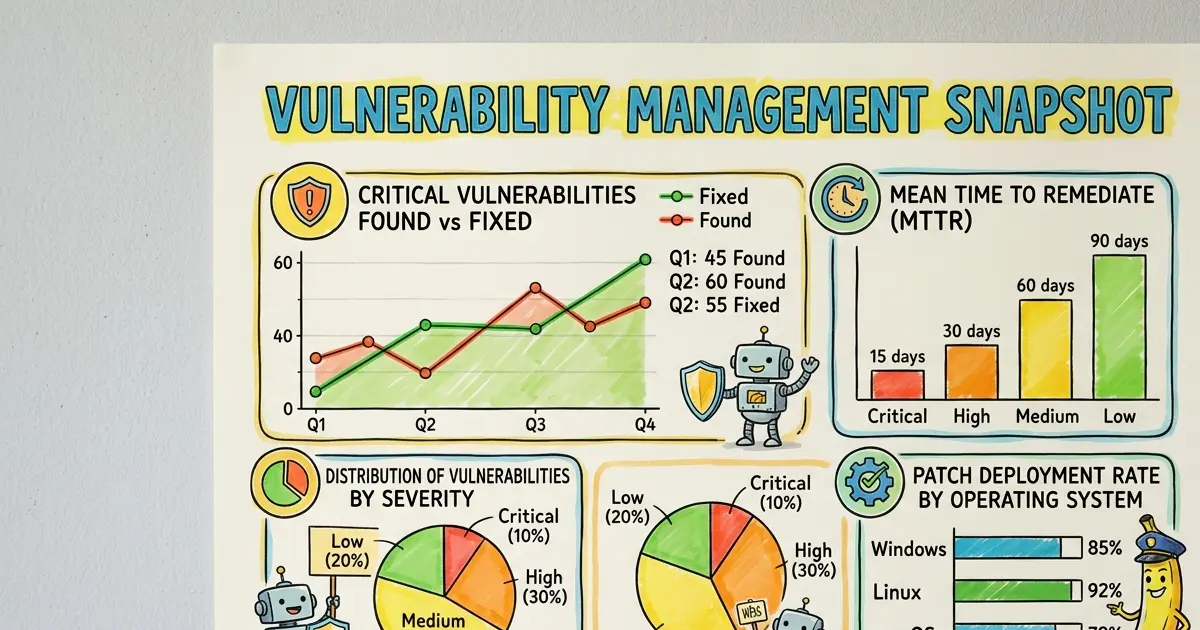
Surviving sophisticated threats requires shifting from manual, reactive perimeter defense to an integrated operational discipline. To defend against attacks operating on a 20-minute execution timeline, organizations must combine deterministic policy controls with unified system oversight.
Automated Controls and Machine-Speed Defenses
Enterprise systems must execute automated countermeasures the second behavioral baselines are violated:
- Dynamic Step-Up Authentication: Systems must enforce contextual re-authentication or hardware-bound cryptographic challenges whenever an administrative session attempts privileged container modifications or out-of-band workflow changes.
- Automated Circuit Breakers: Workflows handling asset transfers, data modifications, or bulk customer records require hardcoded velocity thresholds. When volume or routing deviations exceed standard tolerances, automated circuit breakers must suspend execution instantly without waiting for human intervention.
- Workload Isolation and Token Invalidation: When anomalous activity appears on an endpoint, centralized security policies must automatically isolate the affected device from the local network and revoke all related container tokens, active sessions, and API keys enterprise-wide.
Zero-Trust Architecture and Transaction Governance
A resilient technical environment enforces least-privilege access across human operators and automated services alike:
- Decoupled DevOps Permissions: Strict separation of duties must prevent any individual machine or service account from possessing end-to-end rights to draft code, deploy containers, and authorize financial or database transactions.
- Continuous IT Security Vulnerability Management: Modern defense requires continuous assessment of application dependencies, configuration drifts, and unpatched endpoints. Proactive IT security vulnerability management neutralizes entry points before threat actors leverage them for lateral movement.
- Cryptographic Quorums for High-Value Operations: Significant architectural changes, bulk data exports, and high-value approvals should require multi-party, out-of-band authorization protocols to ensure a single compromised workstation cannot authorize system-critical changes.
Ecosystem Defense: The Collaborative Containment Model
While the Binance attack resulted in massive asset movement, cross-industry coordination successfully contained and froze approximately $3 billion of the affected funds. This recovery was made possible through immediate telemetry sharing with external blockchain analytics firms, centralized exchange partners, stablecoin issuers, and law enforcement infrastructure.
For enterprise operations directors, operational resilience cannot end at the corporate firewall. Leaders must establish pre-vetted incident protocols with key infrastructure vendors, financial institutions, and specialized external IT partners. Building unified operational channels, including dedicated public presence and business profile governance, ensures organizational control during operational crises.
Consolidating Your Security Posture
Addressing administrative fragmentation requires partnering with an experienced provider of managed IT services security. Lyttix delivers comprehensive operational resilience through Lyttix Managed IT, TyxCRM, Custom Workflow Automation, and Private Email Hosting. We eliminate organizational blind spots by combining proactive endpoint monitoring, strict access controls, streamlined data management, and secure communication channels into a single cohesive ecosystem. Whether you need expert IT security vulnerability management, custom workflow automation, or robust defense against credential theft, Lyttix ensures your systems remain protected, compliant, and optimized for seamless business growth.
Sophisticated threats thrive on administrative blind spots, shadow spreadsheets, and disconnected security tools. As the Binance incident demonstrates, attackers can exploit even the smallest entry point to wreak havoc across multiple blockchains and systems within minutes. By consolidating your infrastructure around managed IT security services, secure CRM management, custom workflow automation, and private email hosting, you transform security from a reactive burden into an unshakeable operational discipline. Protect your enterprise today by bridging the gaps before attackers find them.
